[ Search-First University Architecture ]
How does a university fix site search when every department owns its own pages
Index at the institution level, not the department level. One search index reads every college's content, and every program template carries the same required fields: program name, degree level, campus, delivery mode and next start term. Departments keep full editing rights. Search stops guessing, because the fields it sorts on are the same everywhere.
That split is the whole answer. Governance of structure sits with the central web team. Governance of words sits with the department. Most university search projects fail because they try to move both.
[ Where campus search fails ]
What actually breaks search on a decentralized campus
[ Governance that holds ]
The split that keeps departments editing
[ Scoping the work ]
What it takes to ship institution-level search
Department-level search compared with institution-level search
What you are comparing
Department-level search
Institution-level search
Department-level search
Institution-level search

Zero-result queries are program demand data
Log every query that returns nothing and read the list monthly. If 500 people search for an online nursing certificate you do not offer, that is not a search bug. That is enrollment demand arriving at your door, and the only system that recorded it is your website.
Send that list to the people who approve new programs. The same log tells you which existing programs are being searched for under names your site does not use yet, which is the fastest content fix on campus.
Don't just take our word for it.

“This is exactly the direction and the caliber of product I am accustomed to from Ammo.”


"Ammo made a huge difference for us. They quickly revamped our website, making it easier to update and manage. Our team, clients, and prospects love the result. We're thrilled with how everything turned out."







“Switching from WordPress to Webflow has revolutionized our go to market strategy. We can now make updates so quickly without the hassle of dealing with developers.”


“Ammo Studio had our best interest in mind, consistently delivering high-quality work on time. Their team was dedicated to finding the best solutions, ensuring a smooth and successful project outcome.”


"Ammo made a huge difference for us. They quickly revamped our website, making it easier to update and manage. Our team, clients, and prospects love the result. We're thrilled with how everything turned out."


"We needed a website that could really capture the essence of our brand and showcase the unique benefits of our chickpeas, both for food producers and for consumers."




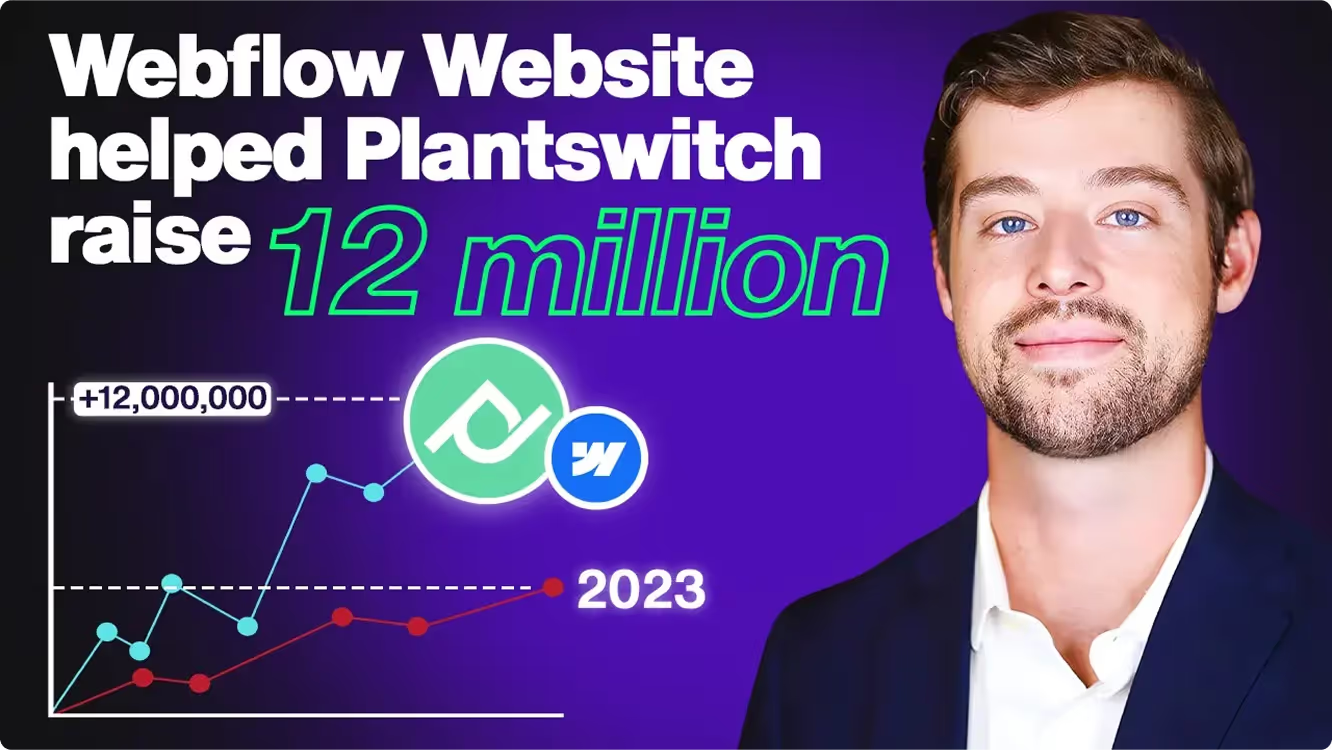
“Ammo’s clear, structured migration process was seamless. They felt like a true partner, aligning with our goals and providing quick, expert support. We’re thrilled with their flexibility and dedication.”

"We needed a website that could keep pace with our rapid growth and allow us to make changes more efficiently. Our last platform on Contentful was a bottleneck for our marketing team."




Score your Go-To-Market architecture
Enter your domain below to run our proprietary AI diagnostic. Instantly expose your current digital blind spots:
- Brand Risks & Compliance Vulnerabilities
- Competitive Gaps in AI Search (AEO)
- A "Sales Conversion Score" grading your buyer journey
- Actionable, code-ready steps to stop pipeline bleed
Ready to rebuild your revenue engine?
Bypass the diagnostic. Speak directly with an Ammo Studio Solutions Engineer to map out your custom Webflow architecture, deployment timeline, and ROI.

Frequently asked questions
Can departments still edit their own pages if search is centralized
Yes. Centralizing search changes the fields a template requires, not who presses publish. The only new rule is that a program page must carry its degree level, campus, delivery mode and next start term before it goes live.


Does site search work across subdomains and legacy systems
Not with a single site's built-in search, which covers pages inside that one site. An institution with a separate catalog, a library system and several college subdomains needs a search service that indexes all of them, usually paired with a reverse proxy so those paths stay under the main domain.
How long does a search consolidation take
It depends on how many sources you are indexing and how clean the program data is. As a reference point from Ammo's own work, M13 moved 438 pages in 21 days off Contentful. Cleaning inconsistent program names across colleges usually takes longer than the technical build.
What should we fix first if we cannot do everything this year
Fix the program page template. Agree the required fields, apply them to every program across every college, and point the index at those fields. That alone resolves most duplicate and near-miss results, and it makes any future search platform decision cheaper.