[ Higher ed replatforms ]
Why does our university CMS replatform keep slipping
University CMS replatforms stall because they are scoped as one big-bang cutover of every department site, approved by a committee that has to sign off on all of it at once, and built by the same IT queue that patches the student information system. The way out is sequencing. Move the pages that recruit students to Webflow first, keep the legacy backend serving everything else, then migrate departments in waves on their own calendar.
This is not a smaller version of the project you already approved. It is a different order of operations. The old order says nothing ships until everything is ready. The new order says the recruitment path ships this quarter and the rest follows without a freeze. Ammo builds these migrations for institutions and networks across higher education.
[ The real bottleneck ]
What the death march looks like on campus
[ Wave one ]
Ship the recruitment pages first
[ Governance and sequencing ]
What the committee needs before wave one
One cutover against migrating in waves
Decision point
One big-bang cutover
Migrating in waves
One big-bang cutover
Migrating in waves

Department autonomy survives the move
The fear behind every governance meeting is that a central platform means central control, and that the business school will lose the ability to publish on its own schedule. Architecture-First means the opposite.
Build the components once. Set the type scale, the accessibility behaviour, the card patterns, the form handling and the navigation rules into reusable blocks, then give each department editing rights inside those blocks. Deans keep publishing control, and the brand and accessibility standards hold because they are built into the component rather than written in a PDF nobody opens. Departments that are mid-cycle stay on the legacy system until their wave, so nobody is forced to migrate during the week their applications close.
Don't just take our word for it.

“This is exactly the direction and the caliber of product I am accustomed to from Ammo.”


"Ammo made a huge difference for us. They quickly revamped our website, making it easier to update and manage. Our team, clients, and prospects love the result. We're thrilled with how everything turned out."






“Switching from WordPress to Webflow has revolutionized our go to market strategy. We can now make updates so quickly without the hassle of dealing with developers.”


“Ammo Studio had our best interest in mind, consistently delivering high-quality work on time. Their team was dedicated to finding the best solutions, ensuring a smooth and successful project outcome.”


"Ammo made a huge difference for us. They quickly revamped our website, making it easier to update and manage. Our team, clients, and prospects love the result. We're thrilled with how everything turned out."


"We needed a website that could really capture the essence of our brand and showcase the unique benefits of our chickpeas, both for food producers and for consumers."




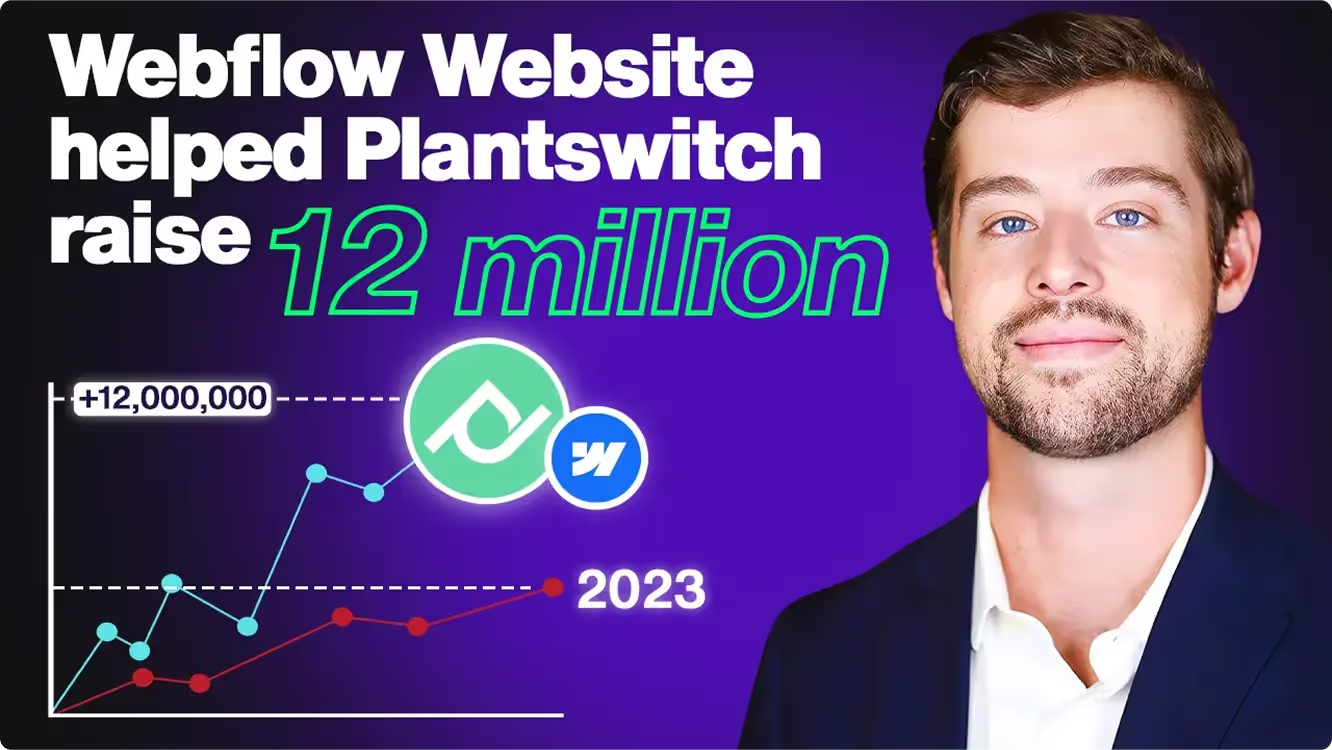
“Ammo’s clear, structured migration process was seamless. They felt like a true partner, aligning with our goals and providing quick, expert support. We’re thrilled with their flexibility and dedication.”

"We needed a website that could keep pace with our rapid growth and allow us to make changes more efficiently. Our last platform on Contentful was a bottleneck for our marketing team."




Score your Go-To-Market architecture
Enter your domain below to run our proprietary AI diagnostic. Instantly expose your current digital blind spots:
- Brand Risks & Compliance Vulnerabilities
- Competitive Gaps in AI Search (AEO)
- A "Sales Conversion Score" grading your buyer journey
- Actionable, code-ready steps to stop pipeline bleed
Ready to rebuild your revenue engine?
Bypass the diagnostic. Speak directly with an Ammo Studio Solutions Engineer to map out your custom Webflow architecture, deployment timeline, and ROI.

Frequently asked questions
How long does a university Webflow migration take
It depends on page count and integrations, and it is measured per wave rather than for the whole campus. Ammo migrated 438 pages in 21 days for M13 and took Acclinate off WordPress with its homepage live in about 90 days from kickoff. A first wave covering the recruitment path is typically the fastest to reach live, because it does not wait on departmental content.


Can we migrate one department at a time without breaking the main domain
Yes. New pages and legacy pages are served under one hostname, so visitors and search engines see a single site while the backends differ underneath. Departments move in scheduled waves and nothing breaks for the ones still on the old system.
What does a phased higher ed migration cost
Ammo's published pricing is a starting point for estimates. Landing pages start around $10K, full builds run $70K-150K+, and ongoing partnership runs from "Starting at $5,200 / month" for Growth Partner or "Starting at $15,000 / month" for Growth Partner+ at enterprise scale. Plans are month-to-month and pricing is subject to change.
What happens to our SSO, SIS and accessibility requirements
They are settled in wave zero, before any public page moves. Identity routes through your existing provider, catalogue and program data comes from the system of record through an API layer, and accessibility is tested at the component level so conformance holds across every page built from it.